


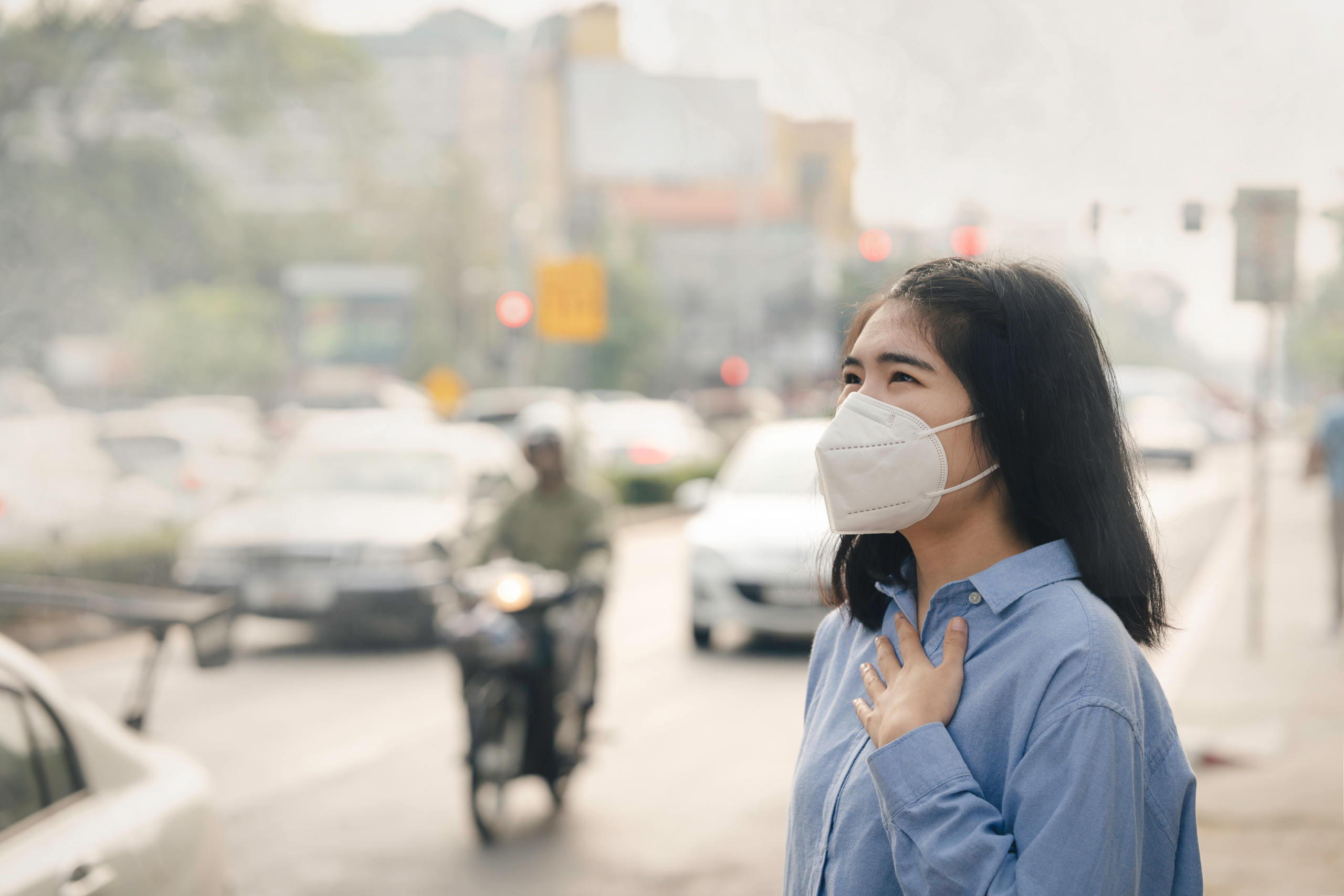
When to Seek Emergency Medical Care Due to Wildfire Smoke Exposure
As dense smoke fills the sky and air quality alerts urge our community to limit outdoor activities due to the Canadian wildfires, many people are concerned about the effects of smoke exposure on their health. Wildfire smoke can directly impact health, and some symptoms may signal a more serious condition that requires emergency medical care. Knowing what to watch for can help you protect yourself and your loved ones during periods of poor air quality.
Why Wildfire Smoke and Poor Air Quality Are Health Concerns
Even when a wildfire is hundreds of miles away, smoke can travel long distances and significantly impact air quality. Wildfire smoke contains fine particles and harmful gases that can irritate the lungs, place additional strain on the heart, and worsen existing health conditions. Even healthy individuals can experience effects from prolonged smoke exposure when particles enter the eyes and respiratory system, causing burning or watery eyes, runny nose, sore throat, coughing, and shortness of breath.
Current air quality readings across parts of the Northeastern and Midwestern United States have reached unhealthy levels. Public health officials continue to warn Wisconsin residents about the dangers of prolonged outdoor exposure. Unfortunately, conditions may persist as wildfires continue to burn across Canada, sending smoke into neighboring regions.
Knowing the warning signs of smoke-related illness can help you determine when medical attention is needed.
When to Seek Emergency Care for Wildfire Smoke Exposure
While mild symptoms may improve after reducing exposure and moving indoors, some symptoms should never be ignored. Seek immediate medical attention if you experience:
- Difficulty breathing
- Pain, pressure, or tightness in chest
- Blue, gray, or pale lips or fingertips
- Confusion or difficulty staying awake
- Loss of consciousness
- Rapid or irregular heartbeat
- Signs of a stroke
Asthma and Poor Air Quality
Wildfire smoke can be especially dangerous for people living with asthma. Smoke particles can irritate the airways and trigger asthma attacks, leading to wheezing, persistent coughing, chest tightness, and increased shortness of breath.
Because smoke exposure can quickly worsen asthma symptoms, individuals with asthma should closely monitor their condition during periods of poor air quality. If your symptoms worsen or do not improve with prescribed medications, seek medical attention immediately.
Open 24/7 — No Matter the Conditions Outside
At Green Bay ER & Hospital, we are committed to providing compassionate, high-quality emergency care for you and your loved ones—day or night, regardless of the conditions outside. Our experienced team can quickly evaluate symptoms related to smoke exposure, breathing difficulties, asthma flare-ups, and other health concerns associated with poor air quality. If you are experiencing severe symptoms related to wildfire smoke exposure, don’t wait to seek care. We’re here when you need us – open 24/7 with little to no wait.
Disclaimer: As a service to our readers, Green Bay ER & Hospital and Nutex Health state no content on this site, regardless of date, should ever be used as a substitute for direct medical advice from your doctor or other qualified clinician.
Comments are closed